



 6 minute read
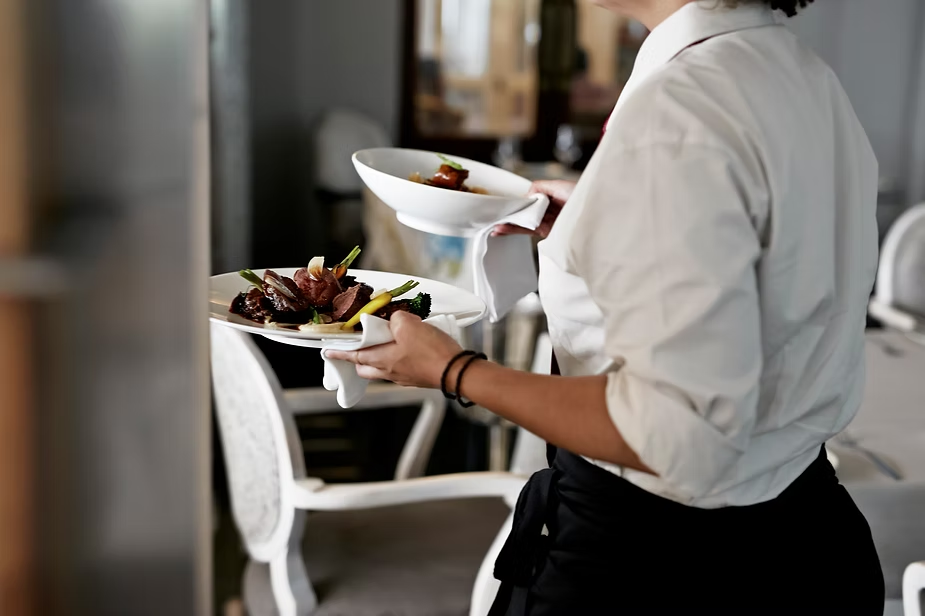
Malta’s hospitality industry is constantly evolving. With a strong restaurant and tourism sector, businesses are under increasing pressure to deliver excellent customer experiences while managing rising costs, staff demands, and increasingly complex day-to-day operations.
Technology is playing an increasingly important role in helping restaurants meet these challenges.
From cloud-based Point of Sale (POS) systems and real-time reporting to digital inventory management and integrated kitchen technology, modern restaurant solutions are helping businesses across Malta work more efficiently and make better-informed decisions.
But which restaurant technology trends should owners and managers be paying attention to?
1. Cloud-Based POS Systems
Traditional tills are increasingly being replaced by cloud-based POS systems that do much more than process payments.
Solutions such as Lightspeed Restaurant give restaurants a central platform for managing orders, menus, tables, payments, reporting, and other aspects of their operation.
Because the system is cloud-based, authorised users can access important information from different locations and devices.
For restaurant owners in Malta, this can provide greater flexibility and visibility, whether they’re managing one location or multiple venues.
Why It Matters
Cloud POS technology can help restaurants:
As restaurants become increasingly dependent on accurate, up-to-date information, cloud-based POS technology is becoming an important part of modern hospitality operations.
2. Real-Time Restaurant Reporting
Restaurant owners shouldn’t have to wait until the end of the week to find out how their business is performing.
Real-time reporting is becoming increasingly important as operators look for faster ways to understand sales, customer behaviour, menu performance, and operational trends.
Lightspeed Restaurant provides reporting and analytics that can help restaurant managers monitor areas such as:
Having access to this information allows restaurant owners to respond more quickly to changes in demand.
For Malta’s hospitality industry, where seasonal fluctuations can have a significant impact on trading patterns, having access to current data can be particularly valuable.
3. Smarter Inventory Management
Food costs are a major consideration for restaurants, making effective inventory management essential.
Manual stock counts and spreadsheets can make it difficult to know exactly how much stock a restaurant has, what is being used, and what needs to be ordered.
This is where integrated inventory platforms such as Supy can make a difference.
Supy works with Lightspeed Restaurant to connect sales information with inventory, procurement, recipe costing, and food cost management.
This gives restaurants greater visibility into how ingredients are being used and where costs are coming from.
Benefits of Integrated Inventory Technology
Restaurants can use technology to:
For businesses dealing with fluctuating demand, better inventory visibility can help prevent both unnecessary waste and unexpected stock shortages.
4. Digital Kitchen Display Systems
The connection between front-of-house and the kitchen is another area where restaurant technology is evolving.
Kitchen Display Systems (KDS) replace or reduce reliance on traditional paper tickets by displaying orders digitally for kitchen teams.
Compatible KDS technology can work alongside Lightspeed Restaurant, allowing orders to move digitally from the POS to the relevant kitchen station.
This can help staff manage:
For busy restaurants, digital kitchen communication can reduce avoidable misunderstandings and help front-of-house and kitchen teams stay in sync.
5. Mobile Ordering and Handheld POS
Restaurant technology is also becoming increasingly mobile.
Handheld POS devices allow staff to take orders directly at the table rather than returning to a fixed till.
This can help restaurants speed up service while reducing the number of manual steps between taking an order and sending it to the kitchen.
For busy hospitality venues, mobile ordering can also improve staff mobility and help create a smoother customer experience.
Digital Ordering and Delivery Integration
Online ordering and delivery have become an important part of the modern restaurant experience, and technology is making it easier for restaurants to manage orders across multiple channels.
Lightspeed‘s Order Anywhere allows customers to browse a restaurant’s digital menu and place orders for takeaway or pickup, while also supporting table ordering through a customer’s own mobile device. Orders can then flow directly into the Lightspeed Restaurant POS, helping reduce the need for staff to manually transfer online orders into the system.
This can create a more convenient experience for customers while helping restaurants keep their ordering process connected.
Bringing Wolt and Bolt Orders into Lightspeed
For restaurants using multiple delivery platforms, managing orders across different systems can be more challenging.
To address this,we have developed an integration between Lightspeed Restaurant and Wolt and Bolt. The integration brings orders from Wolt and Bolt into a central dashboard and can automatically push accepted orders into Lightspeed, reducing the need for manual order entry and helping minimise errors.
The solution can also provide centralised menu management, allowing restaurants to manage products, prices, and availability across delivery channels from one place. For restaurants using the full centralised package, Progressive’s integration also supports two-way synchronisation, advanced error handling, unified reporting, and multi-venue management.
For Maltese restaurants offering takeaway and delivery, this type of integration can make a significant difference. Rather than having staff constantly switch between different platforms, orders can be brought together into a more streamlined workflow.
This is another example of how restaurant technology is moving towards connected systems rather than standalone tools, helping restaurants reduce manual work, improve order accuracy, and manage more sales channels without adding unnecessary complexity.
6. Automated Procurement
Inventory management doesn’t stop at knowing what’s in the stockroom. Restaurants also need to ensure they’re ordering the right products at the right time.
Technology such as Supy can help automate and streamline procurement processes by connecting purchasing decisions with actual inventory usage and sales data.
Rather than relying entirely on estimates or manual calculations, restaurant managers can use data to make more informed purchasing decisions.
This can help:
For restaurants operating in a competitive market, improving procurement can have a direct impact on profitability.
7. Data-Driven Menu Management
Restaurant menus shouldn’t remain static.
Customer preferences change, ingredient costs fluctuate, and some dishes inevitably perform better than others.
Modern POS and inventory systems provide data that can help restaurants understand which menu items are generating sales and which may not be performing as expected.
With Lightspeed Restaurant, businesses can analyse sales data to identify popular products and purchasing trends.
When combined with Supy‘s recipe costing and food cost insights, restaurants can gain a better understanding of not only what customers are buying, but also how profitable individual dishes are.
This can support smarter decisions around:
8. Integrated Restaurant Technology
One of the biggest trends in hospitality technology is integration.
Rather than using completely separate systems for POS, inventory, procurement, accounting, and reporting, restaurants are increasingly looking for solutions that can communicate with each other.
For example:
Lightspeed Restaurant can provide sales and ordering data, while Supy can use that information to help manage inventory, procurement, recipe costing, and food costs.
This creates a more connected flow of information across the restaurant.
The fewer times staff need to manually transfer information between systems, the greater the potential to reduce errors and save time.
9. Technology to Reduce Food Waste
Food waste is both an environmental and financial concern for restaurants.
Better technology can help restaurants understand exactly where waste is occurring and identify opportunities to reduce it.
By connecting sales, recipes, purchasing, and inventory information, systems such as Supy can help restaurants identify discrepancies between expected and actual ingredient usage.
This can help operators investigate:
For restaurants looking to improve both sustainability and profitability, technology can provide the data needed to make meaningful changes.
10. Technology That Supports Multi-Location Restaurants
As restaurant groups expand, managing multiple locations becomes increasingly complicated.
Owners and managers need to be able to compare performance across different venues while maintaining consistent menus, pricing, processes, and reporting.
Cloud-based platforms such as Lightspeed Restaurant can provide centralised visibility across locations, helping management understand how individual restaurants are performing.
This can make it easier to identify successful strategies and address underperforming locations.
What Do These Trends Mean for Maltese Restaurants?
The growth of restaurant technology isn’t simply about replacing paper with screens.
The bigger opportunity is creating a more connected business where information flows between different parts of the operation.
For a restaurant in Malta, this could mean:
A customer places an order – Lightspeed Restaurant records the sale – the order is sent to the relevant kitchen station – inventory usage is updated – management can analyse the sale and food cost.
Instead of each process being managed separately, technology connects them together.
This gives restaurant owners greater visibility while reducing the amount of manual administration required from staff.
How We Can Help
At Progressive we help restaurants and hospitality businesses in Malta implement technology designed around their operational needs.
Our solutions include Lightspeed Restaurant, providing modern POS, ordering, reporting, and restaurant management capabilities.
We also offer Supy, which integrates with Lightspeed Restaurant to provide advanced inventory, procurement, recipe costing, and food cost management.
Together, these technologies can help restaurants create a more connected operation, from the moment an order is placed through to inventory management and business reporting.
Our team can also provide implementation, training, and ongoing support, helping restaurant teams get the most from their technology investment.
Looking Ahead: The Future of Restaurant Technology in Malta
Restaurant technology will continue to evolve, but the underlying goal remains the same: helping businesses operate more efficiently while delivering better experiences for customers.
For Malta’s hospitality industry, technologies such as cloud POS, real-time reporting, mobile ordering, KDS, automated inventory management, and integrated procurement can provide restaurants with the tools they need to compete in an increasingly demanding market.
The restaurants that embrace technology strategically, not simply for the sake of having the latest tools, will be better positioned to understand their customers, control costs, and make informed decisions.
We help local restaurants look ahead and embrace evolving technologies. Contact us today to learn more.